Carter Developments


From opportunity
Development and asset creation within the wider Carter Group ecosystem.Connected capability
Carter Exclusive identifies exceptional opportunities and builds the relationships around them. Carter Developments transforms selected opportunities into exceptional real-estate assets.
Identify
Recognise sites, assets and market positions with credible development potential.
Structure
Align ownership, capital, expertise and the route to a viable development proposition.
Create
Translate opportunity into a considered real-estate asset with enduring relevance.
Our developments
Selected assets.
Considered in every detail.
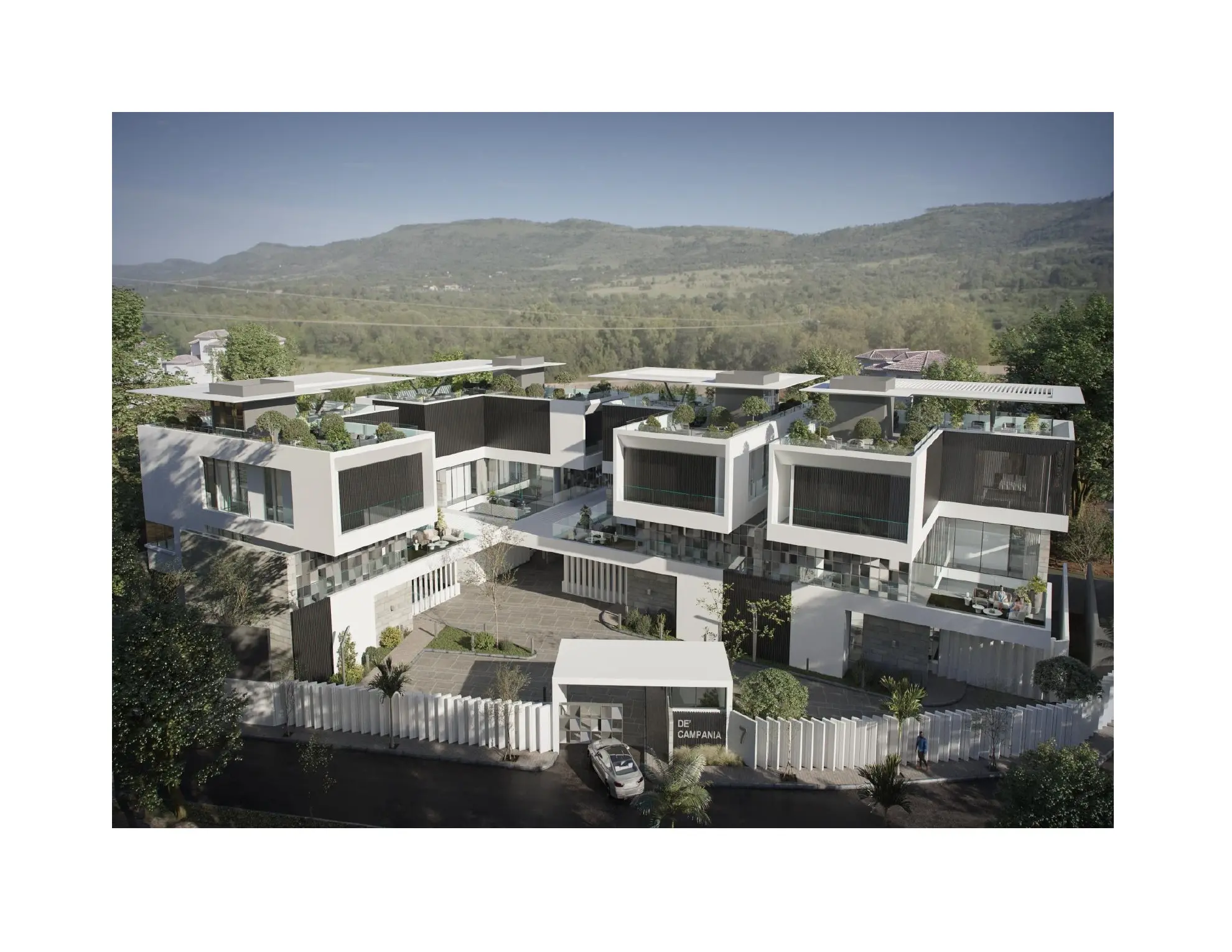
01 · Katampe Extension, Abuja
De Campania
A contemporary private residential composition shaped by sculptural architecture, landscape and considered communal space.
Explore the development ↗
02 · Maitama, Abuja
Fortress Residence
A refined residential landmark at Ministers Hill, Maitama, expressed through sweeping terraces, confident geometry and a composed material palette.
Explore the development ↗Opportunity to asset
Connecting insight, relationships and real estate development.
Carter Exclusive and Carter Developments perform distinct but connected roles. Carter Exclusive identifies opportunities, understands private-client requirements and builds the relationships surrounding a potential asset. Carter Developments undertakes the development and asset-creation process for selected opportunities.
This relationship creates a considered path from market insight to development strategy. It allows suitable opportunities to be examined not only for what exists today, but also for the long-term value that thoughtful design, delivery and positioning may create.
Potential development opportunities are considered through the quality of the underlying site, the intended market, the ownership structure and the ability to create an enduring real estate asset. Each project must therefore stand on its own commercial and strategic merits.
Project information is presented selectively and remains subject to its correct company, ownership and historical attribution.
Development relationships